

whatsapp-logo
User Image

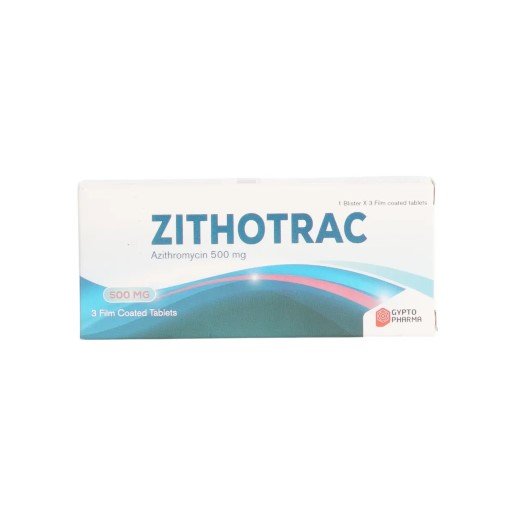
Zithotrac 500 mg 3 tablets

Available at Pharmaegy Pharmacy. Use as directed by your doctor.

Zithotrac Azithromycin 500 mg 3 Tablets Composition: Each Film coated tablet contains: 524.06 mg Azithromycin dihydrate equivalent to 500 mg Azithromycin Anhydrous. Indications: Treatment of infections caused by azithromycin-susceptible bacteria. • infections of the upper respiratory tract (sinusitis, tonsillitis, and pharyngitis). • infections of the lower respiratory tract (including bronchitis and Pneumonia), • middle ear infections (acute otitis media), • odontostomatological infections, • skin and soft tissue infections, • non-gonococcal urethritis (caused by Chlamydia trachomatis, • soft chancres (caused by Haemophilus ducreyi). Dosage and method of administration: Adults: For the treatment of upper and lower respiratory tract infections, skin and soft tissues infections and odontostomatological infections: 500 mg per day taken once daily, for 3 consecutive days. For the treatment of sexually transmitted diseases caused by susceptible strains of Chlamydia trachomatis and Haemophilus ducreyi: 1,000 mg taken only once in a single oral administration. Pediatric population: 10 mg/kg/day for 3 consecutive days. For children weighing 45 kg or more, the adult dose can be used (500 mg/day for three consecutive days). Dosage: >15 kg: 10 mg/kg/day for 3 days 15-25 kg: 200 mg /day for 3 days 26-35 kg: 300 mg /day for 3 days 36-45 kg: 400 mg /day for 3 days > 45 kg: 500 mg/day for 3 days (same dosage as adults) y 45 kg or more, the adult dose can be used (500 mg/day for three consecutive For the treatment of streptococcal pharyngitis in children efficacy has been observed with a 10 mg/ kg dose as well as 20 mg/kg, both in a single administration and for three consecutive days: A daily dose of 500 mg should not be exceeded. The total maximum dosage recommended for any pediatric treatment is 1,500 mg. The medicine must always be administered in a single daily dose. Zithotrac tablets may be taken any time whether on an empty stomach or after meals. Eating before administration of this product may mitigate any adverse gastrointestinal side effects caused by azithromycin. Contraindications: -Hypersensitivity to the active ingredient, to erythromycin, any other macrolide or ketolide antibiotics, or any other excipients. -Zithotrac is contraindicated in patients with a history of cholestatic jaundice/hepatic dysfunction associated with prior use of Zithotrac. Special warnings and precautions for use: - Hypersensitivity As for erythromycin and other macrolides serious rare allergic reactions have been reported, including angioneurotic oedema and anaphylaxis (rarely fatal), dermatological reactions including acute generalized exanthematous pustulosis (AGEP), Stevens Johnson syndrome (SJS), toxic epidermal necrolysis (TEN) (rarely fatal) and rash with eosinophilia and systemic symptoms (DRESS). - Hepatotoxicity Azithromycin must be used with caution in patients with serious liver disease since its primary route of elimination is the liver. - Diarrhoea associated with Clostridium difficile As with almost all antibiotics, including azithromycin, there have been reports of diarrhoea associated with Clostridium difficile (CDAD), the severity of which can vary from mild diarrhoea to fatal colitis. Prolonged QT interval In treatment with macrolides, including azithromycin, a prolonged cardiac repolarisation and OT interval were found using ECG, with the risk of developing cardiac arrhythmia and torsade de pointes. Pregnancy and Lactation: Azithromycin must only be used during pregnancy if the benefts outweigh the risks. Breastfeeding The limited information available from the pub/shed literature, indicates that azithromycin is present in human milk in a highest median daily dose estimated to be between 0.1 and 0.7 mg/kg/day. No side effects have been observed in breast-fed infant It must be decided whether to discontinue breastfeeding or discontinue/refrain from therapy with azithromycin taking into consideration the benefits of breastfeeding for the child and that of therapy for the woman. Side Effects: - Infections and infestations: Uncommon: Candidiasis, vaginal infection, pneumonia, fungal infection, bacterial infection, pharyngitis, gastroenteritis, respiratory disorders, rhinitis, oral candidiasis - Blood and lymphatic system disorders: Uncommon: Leukopaenia, neutropenia, eosinophilia - Immune system disorders: Uncommon: Angiooedema, hypersensitivity - Metabolism and nutrition disorders: Uncommon: Anorexia - Psychiatric Disorders: Uncommon: Nervousness, insomnia - Nervous System Disorders: Common: Headache. Uncommon: Dizziness, somnolence, dysgeusia, paraesthesia - Eye Disorders: Uncommon: Vision impairment - Ear and Labyrinth Disorders: Uncommon: Ear disorders, vertigo - Cardiac disorders: Uncommon: Palpitations - Vascular disorders: Uncommon: Hot flashes Respiratory, Thoracic and Mediastinal Disorders: Uncommon: Dyspnoea, epistaxis - Gastrointestinal disorders: Very Common: Diarrhoea, Common: Vomiting, abdominal pain, nausea. Uncommon: Constipation, flatulence, dyspepsia, gastritis, dysphagia, abdominal distension, dry mouth, eructation, mouth ulceration, salivary hypersecretion - Skin and subcutaneous tissue disorders: Uncommon: Rash, pruritus, urticaria, dermatitis, dry skin, hyperhidrosis - Musculoskeletal and connective tissue disorders: Uncommon: Osteoarthritis, myalgia, back pain, neck pain - Renal and urinary disorders: Uncommon: Dysuria, renal pain - Reproductive System and Breast Disorders: Uncommon: Metrorrhagia, testicular disorders - General disorders and administration site conditions: Uncommon: Oedema, asthaenia, malaise, fatigue, facial oedema, chest pain, pyrexia, pain, peripheral oedema - Diagnostic tests: Common: Decrease in lymphocyte count, increase in eosinophil count, decrease in blood bicarbonate, increase in basophils, increase in monocytes, increase in neutrophils Uncommon: Increase in aspartate aminotransferase (AST). increase in alanine aminotransferase (ALT), increase in blood bilirubin, increase in blood urea, increase in blood creatinine, abnormal blood potassium, increase in blood alkaline phospharase, increase in chloride levels, increase in glucose, increase in platelets, decrease in haematocrit, increase in blood bicarbonate, abnormal sodium levels. Storage Method: Store at temperature not exceeding 30°C in a dry place. Keep out of reach of children. Package: A carton box contains blister with 3 film coated tablets and insert leaflet.

Zithotrac 500 mg 3 tablets


Description

Zithotrac Azithromycin 500 mg 3 Tablets Composition: Each Film coated tablet contains: 524.06 mg Azithromycin dihydrate equivalent to 500 mg Azithromycin Anhydrous. Indications: Treatment of infections caused by azithromycin-susceptible bacteria. • infections of the upper respiratory tract (sinusitis, tonsillitis, and pharyngitis). • infections of the lower respiratory tract (including bronchitis and Pneumonia), • middle ear infections (acute otitis media), • odontostomatological infections, • skin and soft tissue infections, • non-gonococcal urethritis (caused by Chlamydia trachomatis, • soft chancres (caused by Haemophilus ducreyi). Dosage and method of administration: Adults: For the treatment of upper and lower respiratory tract infections, skin and soft tissues infections and odontostomatological infections: 500 mg per day taken once daily, for 3 consecutive days. For the treatment of sexually transmitted diseases caused by susceptible strains of Chlamydia trachomatis and Haemophilus ducreyi: 1,000 mg taken only once in a single oral administration. Pediatric population: 10 mg/kg/day for 3 consecutive days. For children weighing 45 kg or more, the adult dose can be used (500 mg/day for three consecutive days). Dosage: >15 kg: 10 mg/kg/day for 3 days 15-25 kg: 200 mg /day for 3 days 26-35 kg: 300 mg /day for 3 days 36-45 kg: 400 mg /day for 3 days > 45 kg: 500 mg/day for 3 days (same dosage as adults) y 45 kg or more, the adult dose can be used (500 mg/day for three consecutive For the treatment of streptococcal pharyngitis in children efficacy has been observed with a 10 mg/ kg dose as well as 20 mg/kg, both in a single administration and for three consecutive days: A daily dose of 500 mg should not be exceeded. The total maximum dosage recommended for any pediatric treatment is 1,500 mg. The medicine must always be administered in a single daily dose. Zithotrac tablets may be taken any time whether on an empty stomach or after meals. Eating before administration of this product may mitigate any adverse gastrointestinal side effects caused by azithromycin. Contraindications: -Hypersensitivity to the active ingredient, to erythromycin, any other macrolide or ketolide antibiotics, or any other excipients. -Zithotrac is contraindicated in patients with a history of cholestatic jaundice/hepatic dysfunction associated with prior use of Zithotrac. Special warnings and precautions for use: - Hypersensitivity As for erythromycin and other macrolides serious rare allergic reactions have been reported, including angioneurotic oedema and anaphylaxis (rarely fatal), dermatological reactions including acute generalized exanthematous pustulosis (AGEP), Stevens Johnson syndrome (SJS), toxic epidermal necrolysis (TEN) (rarely fatal) and rash with eosinophilia and systemic symptoms (DRESS). - Hepatotoxicity Azithromycin must be used with caution in patients with serious liver disease since its primary route of elimination is the liver. - Diarrhoea associated with Clostridium difficile As with almost all antibiotics, including azithromycin, there have been reports of diarrhoea associated with Clostridium difficile (CDAD), the severity of which can vary from mild diarrhoea to fatal colitis. Prolonged QT interval In treatment with macrolides, including azithromycin, a prolonged cardiac repolarisation and OT interval were found using ECG, with the risk of developing cardiac arrhythmia and torsade de pointes. Pregnancy and Lactation: Azithromycin must only be used during pregnancy if the benefts outweigh the risks. Breastfeeding The limited information available from the pub/shed literature, indicates that azithromycin is present in human milk in a highest median daily dose estimated to be between 0.1 and 0.7 mg/kg/day. No side effects have been observed in breast-fed infant It must be decided whether to discontinue breastfeeding or discontinue/refrain from therapy with azithromycin taking into consideration the benefits of breastfeeding for the child and that of therapy for the woman. Side Effects: - Infections and infestations: Uncommon: Candidiasis, vaginal infection, pneumonia, fungal infection, bacterial infection, pharyngitis, gastroenteritis, respiratory disorders, rhinitis, oral candidiasis - Blood and lymphatic system disorders: Uncommon: Leukopaenia, neutropenia, eosinophilia - Immune system disorders: Uncommon: Angiooedema, hypersensitivity - Metabolism and nutrition disorders: Uncommon: Anorexia - Psychiatric Disorders: Uncommon: Nervousness, insomnia - Nervous System Disorders: Common: Headache. Uncommon: Dizziness, somnolence, dysgeusia, paraesthesia - Eye Disorders: Uncommon: Vision impairment - Ear and Labyrinth Disorders: Uncommon: Ear disorders, vertigo - Cardiac disorders: Uncommon: Palpitations - Vascular disorders: Uncommon: Hot flashes Respiratory, Thoracic and Mediastinal Disorders: Uncommon: Dyspnoea, epistaxis - Gastrointestinal disorders: Very Common: Diarrhoea, Common: Vomiting, abdominal pain, nausea. Uncommon: Constipation, flatulence, dyspepsia, gastritis, dysphagia, abdominal distension, dry mouth, eructation, mouth ulceration, salivary hypersecretion - Skin and subcutaneous tissue disorders: Uncommon: Rash, pruritus, urticaria, dermatitis, dry skin, hyperhidrosis - Musculoskeletal and connective tissue disorders: Uncommon: Osteoarthritis, myalgia, back pain, neck pain - Renal and urinary disorders: Uncommon: Dysuria, renal pain - Reproductive System and Breast Disorders: Uncommon: Metrorrhagia, testicular disorders - General disorders and administration site conditions: Uncommon: Oedema, asthaenia, malaise, fatigue, facial oedema, chest pain, pyrexia, pain, peripheral oedema - Diagnostic tests: Common: Decrease in lymphocyte count, increase in eosinophil count, decrease in blood bicarbonate, increase in basophils, increase in monocytes, increase in neutrophils Uncommon: Increase in aspartate aminotransferase (AST). increase in alanine aminotransferase (ALT), increase in blood bilirubin, increase in blood urea, increase in blood creatinine, abnormal blood potassium, increase in blood alkaline phospharase, increase in chloride levels, increase in glucose, increase in platelets, decrease in haematocrit, increase in blood bicarbonate, abnormal sodium levels. Storage Method: Store at temperature not exceeding 30°C in a dry place. Keep out of reach of children. Package: A carton box contains blister with 3 film coated tablets and insert leaflet.

Highlights

  • Effective for pain relief and fever reduction..

  • Suitable for adults and children as directed..

  • Fast-acting formula with proven safety profile.

  • Available in various dosage forms and pack sizes.

Directions for use

Use as directed by your doctor.

Storage

Store in a cool, dry place away from sunlight.

Administration Instructions

Follow the prescribed method of administration as advised by your healthcare provider.

Warning

Consult your physician before use.

Precaution

Zithotrac 500 mg 3 tablets

EGP 50.00 EGP 73 32% off

In stock
  • SKU SKU-0040
  • Pack Size Standard Pack
  • Unit Count 1
  • Country Egypt
  • Free Shipping
    For orders from $50
  • Support 24/7
    Call us any time
  • 100% Safety
    Only secure payments
  • Hot Offers
    Discounts up to 90%