

whatsapp-logo
User Image

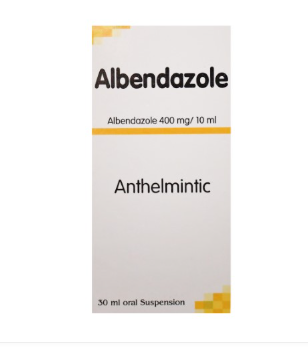
Albendazole 400 mg/10 ml susp 30 ml

Available at Pharmaegy Pharmacy. Use as directed by your doctor.

Albendazole 400 mg/ 10 ml 30 ml oral Suspension Composition: Each 10 ml suspension contains: Albendazole 400 mg Pharmacological Action: Albendazole is a benzimidazole carbamate with anthelmintic and antiprotozoal activity against intestinal and tissue parasites. Animal studies have shown that albendazole exhibits vermicidal, ovacidal and larvacidal activity and exerts its anthelmintic effect by inhibiting tubulin polymerization. This causes the disruption of the helminthes metabolism, including energy depletion, which immobilizes and then kills the susceptible helminthes. In man, after oral administration, albendazole is absorbed and completely metabolized. At a dose of 6.6 mg/kg of albendazole the plasma concentration of its metabolite, the sulfoxide, attains maximum of 0.25 to 0.30 micrograms/ml after approximately 2½ hours. The half-life of the sulfoxide in the plasma is 8% hours. Indication and usage: Albendazole is indicated for the treatment of the following infections: -Neurocysticercosis Albendazole is indicated for the treatment of parenchymal neurocysticercosis due to active lesions caused by larval forms of the pork tapeworm, Taenia solium. Lesions considered responsive to albendazole therapy appear as nonenhancing cysts with no surrounding edema on contrast-enhanced computerized tomography. -Hydatid Disease Albendazole is indicated for the treatment of cystic hydatid disease of the liver, lung, and peritoneum, caused by the larval form of the dog tapeworm, Echinococcus granulosus Contraindication: Albendazole is contraindicated in patients with known hypersensitivity to the benzimidazole class of compounds or any components of albendazole. Warnings: -Rare fatalities associated with the use of albendazole have been reported due to granulocytopenia or pancy-topenia. -Albendazole has been shown to cause bone marrow suppression, a plastic anemia, and agranulocytosis in patients with and without underlying hepatic dysfunction. -Blood counts should be monitored at the beginning of each 28-day cycle of therapy, and every 2 weeks while on therapy with albendazole in all patients. -Patients with liver disease, including hepatic echinococcosis, appear to be more at risk for bone marrow suppression leading to pancytopenia, a plastic anemia, agranulocytosis, and leucopenia attributable to albendazole and warrant closer monitoring of blood count. -Albendazole should be discontinued in all patients if clinically significant decreases in blood cell counts occur. -Albendazole should not be used in pregnant women except in clinical circumstances where no alternative management is appropriate. -Nursing Mothers: Because many drugs are excreted in human milk, caution should be exercised when albendazole is administered to a nursing woman. -It has been noted that leucopenia has occurred when used for periods longer than recommended. Precautions: -Patients being treated for neurocysticercosis should receive appropriate steroid and anticonvulsant therapy as required. -Oral or intravenous corticosteroids should be considered to prevent cerebral hypertensive episodes during the first week of anticysticeral therapy. Dosage & administration: Dosing of albendazole will vary, depending upon which of the following parasitic infections is being treated. In young children, the tablets should be crushed or chewed and swallowed with a drink of water. Patients being treated for neurocysticercosis should receive appropriate steroid and anticonvulsant therapy as required. Oral or intravenous corticosteroids should be considered to prevent cerebral hypertensive episodes during the first week of treatment. Dosage: Hydatid Disease: Patients with weight 60 kg or greater: 400 mg twice daily with meals/28-day cycle followed by a 14-day. Less than 60 kg: 15 mg/kg/day given in divided doses twice daily with meals (maximum total daily dose 800 mg) Neurocysticercosis: 60 kg or greater 400 mg twice daily with meals/30-8 days. Less than 60 kg: 15 mg/kg/day given in divided doses twice daily with meals (maximum total daily dose 800 mg) NOTE: When administering ALBENDAZOLE in the pre-or post-surgical setting, optimal killing of cyst contents is achieved when 3 courses of therapy have been given. Storage: Store at temperature not exceeding 30°C in a dry place. Keep away from children. Package: Carton box contains 30 ml bottle and insert leaflet.

Albendazole 400 mg/10 ml susp 30 ml


Description

Albendazole 400 mg/ 10 ml 30 ml oral Suspension Composition: Each 10 ml suspension contains: Albendazole 400 mg Pharmacological Action: Albendazole is a benzimidazole carbamate with anthelmintic and antiprotozoal activity against intestinal and tissue parasites. Animal studies have shown that albendazole exhibits vermicidal, ovacidal and larvacidal activity and exerts its anthelmintic effect by inhibiting tubulin polymerization. This causes the disruption of the helminthes metabolism, including energy depletion, which immobilizes and then kills the susceptible helminthes. In man, after oral administration, albendazole is absorbed and completely metabolized. At a dose of 6.6 mg/kg of albendazole the plasma concentration of its metabolite, the sulfoxide, attains maximum of 0.25 to 0.30 micrograms/ml after approximately 2½ hours. The half-life of the sulfoxide in the plasma is 8% hours. Indication and usage: Albendazole is indicated for the treatment of the following infections: -Neurocysticercosis Albendazole is indicated for the treatment of parenchymal neurocysticercosis due to active lesions caused by larval forms of the pork tapeworm, Taenia solium. Lesions considered responsive to albendazole therapy appear as nonenhancing cysts with no surrounding edema on contrast-enhanced computerized tomography. -Hydatid Disease Albendazole is indicated for the treatment of cystic hydatid disease of the liver, lung, and peritoneum, caused by the larval form of the dog tapeworm, Echinococcus granulosus Contraindication: Albendazole is contraindicated in patients with known hypersensitivity to the benzimidazole class of compounds or any components of albendazole. Warnings: -Rare fatalities associated with the use of albendazole have been reported due to granulocytopenia or pancy-topenia. -Albendazole has been shown to cause bone marrow suppression, a plastic anemia, and agranulocytosis in patients with and without underlying hepatic dysfunction. -Blood counts should be monitored at the beginning of each 28-day cycle of therapy, and every 2 weeks while on therapy with albendazole in all patients. -Patients with liver disease, including hepatic echinococcosis, appear to be more at risk for bone marrow suppression leading to pancytopenia, a plastic anemia, agranulocytosis, and leucopenia attributable to albendazole and warrant closer monitoring of blood count. -Albendazole should be discontinued in all patients if clinically significant decreases in blood cell counts occur. -Albendazole should not be used in pregnant women except in clinical circumstances where no alternative management is appropriate. -Nursing Mothers: Because many drugs are excreted in human milk, caution should be exercised when albendazole is administered to a nursing woman. -It has been noted that leucopenia has occurred when used for periods longer than recommended. Precautions: -Patients being treated for neurocysticercosis should receive appropriate steroid and anticonvulsant therapy as required. -Oral or intravenous corticosteroids should be considered to prevent cerebral hypertensive episodes during the first week of anticysticeral therapy. Dosage & administration: Dosing of albendazole will vary, depending upon which of the following parasitic infections is being treated. In young children, the tablets should be crushed or chewed and swallowed with a drink of water. Patients being treated for neurocysticercosis should receive appropriate steroid and anticonvulsant therapy as required. Oral or intravenous corticosteroids should be considered to prevent cerebral hypertensive episodes during the first week of treatment. Dosage: Hydatid Disease: Patients with weight 60 kg or greater: 400 mg twice daily with meals/28-day cycle followed by a 14-day. Less than 60 kg: 15 mg/kg/day given in divided doses twice daily with meals (maximum total daily dose 800 mg) Neurocysticercosis: 60 kg or greater 400 mg twice daily with meals/30-8 days. Less than 60 kg: 15 mg/kg/day given in divided doses twice daily with meals (maximum total daily dose 800 mg) NOTE: When administering ALBENDAZOLE in the pre-or post-surgical setting, optimal killing of cyst contents is achieved when 3 courses of therapy have been given. Storage: Store at temperature not exceeding 30°C in a dry place. Keep away from children. Package: Carton box contains 30 ml bottle and insert leaflet.

Highlights

  • Effective for pain relief and fever reduction..

  • Suitable for adults and children as directed..

  • Fast-acting formula with proven safety profile.

  • Available in various dosage forms and pack sizes.

Directions for use

Use as directed by your doctor.

Storage

Store in a cool, dry place away from sunlight.

Administration Instructions

Follow the prescribed method of administration as advised by your healthcare provider.

Warning

Consult your physician before use.

Precaution

Albendazole 400 mg/10 ml susp 30 ml

EGP 24.00 EGP 27.6 13% off

In stock
  • SKU SKU-0404
  • Pack Size Standard Pack
  • Unit Count 1
  • Country Egypt
  • Free Shipping
    For orders from $50
  • Support 24/7
    Call us any time
  • 100% Safety
    Only secure payments
  • Hot Offers
    Discounts up to 90%