

whatsapp-logo
User Image

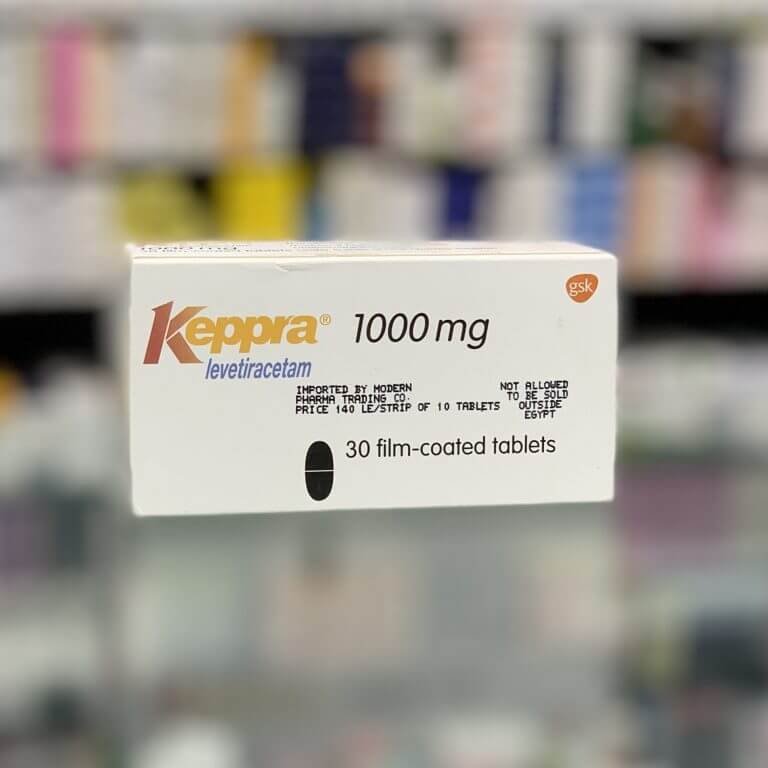
Keppra 1000 mg 30 tablets

Available at Pharmaegy Pharmacy. Use as directed by your doctor.

Tradename: Keppra Keppra Compound: Each tablet contains: Levetiracetam 1000 mg Auxiliary components: Croscarmellose sodium, macrogol 600, colloidal silicon, magnesium stearate, titanium dioxide, macrogol, talc. Properties: In vitro studies have shown that levetiracetam affects the intraneuronal concentration of Ca2+ ions, partially inhibiting the flow of Ca2+ through N-type channels and reducing the release of calcium from intraneuronal depots. In addition, levetiracetam partially restores currents through GABA- and glycine-dependent channels, reduced by zinc and β-carbolines. Indications: As monotherapy for the treatment of partial seizures with or without secondary generalization in patients over 16 years of age with a newly diagnosed epilepsy. As part of additional therapy in the treatment of: partial convulsions with or without secondary generalization in patients older than 1 month (in the appropriate dosage form for this age) with epilepsy; myoclonic convulsions in patients from 12 years of age with juvenile myoclonic epilepsy; Primarily generalized tonic-clonic seizures in patients from 12 years of age with idiopathic generalized epilepsy. Dosage and administration: The optimal dosing regimen is determined by the doctor. Compliance of the dosage form of a particular drug with indications for use and dosing regimen should be strictly observed. For oral administration. Depending on the indications and age of the patient, a single dose is 250, 500, 1000 mg. Multiplicity of application – 2 times / day. In children, levetiracetam should be used in the appropriate dosage form, depending on age. Contraindications: Hypersensitivity to levetiracetam or other pyrrolidone derivatives, children under 1 month of age. Carefully: Elderly patients (over 65 years old); liver disease in the stage of decompensation; kidney failure. Precautionary measures: Concomitant antiepileptic drugs (during the period of transfer of patients to levetiracetam) should preferably be discontinued gradually. Patients with kidney disease and decompensated liver disease are recommended to study kidney function before starting treatment. In connection with the reports of cases of suicide, suicidal intentions and suicide attempts during treatment with levetiracetam, patients should be warned about the need to immediately inform their doctor about the appearance of any symptoms of depression or suicidal intentions. Side effects: From the side of metabolism: often – anorexia; infrequently – increase / decrease in body weight. From the side of the central nervous system: very often – drowsiness, headache; often – mood swings, emotional lability, depression, aggressiveness, insomnia, nervousness. From the senses: often – dizziness; infrequently – diplopia, blurred vision. From the respiratory system: often – cough. From the digestive system: often – nausea, vomiting, diarrhea, abdominal pain, dyspepsia. On the part of the skin and subcutaneous tissues: often – skin rash. Storage: Store at a temperature not exceeding 30 degrees. Package: The cardboard box contains 3 blisters of 10 tablets, paper instructions.

Keppra 1000 mg 30 tablets


Description

Tradename: Keppra Keppra Compound: Each tablet contains: Levetiracetam 1000 mg Auxiliary components: Croscarmellose sodium, macrogol 600, colloidal silicon, magnesium stearate, titanium dioxide, macrogol, talc. Properties: In vitro studies have shown that levetiracetam affects the intraneuronal concentration of Ca2+ ions, partially inhibiting the flow of Ca2+ through N-type channels and reducing the release of calcium from intraneuronal depots. In addition, levetiracetam partially restores currents through GABA- and glycine-dependent channels, reduced by zinc and β-carbolines. Indications: As monotherapy for the treatment of partial seizures with or without secondary generalization in patients over 16 years of age with a newly diagnosed epilepsy. As part of additional therapy in the treatment of: partial convulsions with or without secondary generalization in patients older than 1 month (in the appropriate dosage form for this age) with epilepsy; myoclonic convulsions in patients from 12 years of age with juvenile myoclonic epilepsy; Primarily generalized tonic-clonic seizures in patients from 12 years of age with idiopathic generalized epilepsy. Dosage and administration: The optimal dosing regimen is determined by the doctor. Compliance of the dosage form of a particular drug with indications for use and dosing regimen should be strictly observed. For oral administration. Depending on the indications and age of the patient, a single dose is 250, 500, 1000 mg. Multiplicity of application – 2 times / day. In children, levetiracetam should be used in the appropriate dosage form, depending on age. Contraindications: Hypersensitivity to levetiracetam or other pyrrolidone derivatives, children under 1 month of age. Carefully: Elderly patients (over 65 years old); liver disease in the stage of decompensation; kidney failure. Precautionary measures: Concomitant antiepileptic drugs (during the period of transfer of patients to levetiracetam) should preferably be discontinued gradually. Patients with kidney disease and decompensated liver disease are recommended to study kidney function before starting treatment. In connection with the reports of cases of suicide, suicidal intentions and suicide attempts during treatment with levetiracetam, patients should be warned about the need to immediately inform their doctor about the appearance of any symptoms of depression or suicidal intentions. Side effects: From the side of metabolism: often – anorexia; infrequently – increase / decrease in body weight. From the side of the central nervous system: very often – drowsiness, headache; often – mood swings, emotional lability, depression, aggressiveness, insomnia, nervousness. From the senses: often – dizziness; infrequently – diplopia, blurred vision. From the respiratory system: often – cough. From the digestive system: often – nausea, vomiting, diarrhea, abdominal pain, dyspepsia. On the part of the skin and subcutaneous tissues: often – skin rash. Storage: Store at a temperature not exceeding 30 degrees. Package: The cardboard box contains 3 blisters of 10 tablets, paper instructions.

Highlights

  • .

  • .

Directions for use

Storage

Administration Instructions

Warning

Precaution

Keppra 1000 mg 30 tablets

EGP 770.00 EGP 847 9% off

In stock
  • SKU
  • Pack Size
  • Unit Count
  • Country
  • Free Shipping
    For orders from $50
  • Support 24/7
    Call us any time
  • 100% Safety
    Only secure payments
  • Hot Offers
    Discounts up to 90%