

whatsapp-logo
User Image

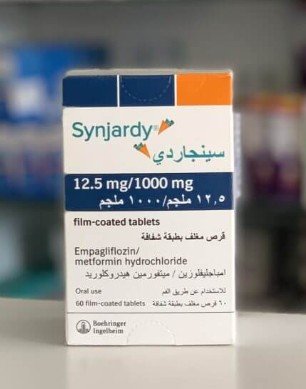
Synjardi 12.5 mg/1000 mg, 60 tablets

Available at Pharmaegy Pharmacy. Use as directed by your doctor.

Trade Name: Synjardy 12.5 mg/1000 mg, 60 film-coated tablets Composition: Each film-coated tablet contains: Empagliflozin 12.5 mg Metformin hydrochloride 1000 mg Inactive Ingredients: Corn starch, copovidone, colloidal anhydrous silica, magnesium stearate, hypromellose, macrogol 400, titanium dioxide (E171), talc Properties: Synjardy contains two active substances, empagliflozin and metformin, both are oral antidiabetic agents used to treat type 2 diabetes. Empagliflozin blocks the SGLT2 protein in the kidneys, leading to glucose excretion in the urine. Metformin lowers blood glucose primarily by inhibiting glucose production in the liver. Synjardy reduces blood sugar levels and may help prevent cardiovascular diseases. Indications: Patients whose diabetes is not adequately controlled with metformin alone In combination with other antidiabetic medications if blood sugar is not sufficiently controlled Patients already taking metformin and empagliflozin as separate tablets Directions for Use: Always take this medicine exactly as prescribed by your doctor Dose varies depending on your condition and the doses of diabetes medications you currently take; your doctor will adjust the dose if necessary Recommended dose: one tablet twice daily Swallow whole with water Take tablets with meals to reduce the likelihood of stomach upset Proper diet and physical activity help the body use blood sugar more effectively; follow your doctor’s recommendations If you take more Synjardy than prescribed, lactic acidosis may occur If a dose is missed, take it as soon as remembered; do not double the next dose Do not stop taking Synjardy without consulting your doctor Side Effects: Possible signs of severe allergic reaction: swelling of the face, lips, mouth, tongue, or throat leading to difficulty breathing or swallowing Rare: lactic acidosis, a serious condition that may lead to coma; diabetic ketoacidosis with symptoms such as increased ketones, rapid weight loss, nausea, vomiting, stomach pain, excessive thirst, rapid breathing, confusion, unusual tiredness, sweet-smelling breath, or metallic taste Very common: nausea, vomiting, diarrhea, abdominal pain, loss of appetite Common: genital yeast infection, frequent urination, itching, rash, changes in taste, thirst, increased blood lipid levels, constipation, vitamin B12 deficiency Rare: liver dysfunction, hepatitis, skin redness, kidney inflammation Very rare: necrotizing fasciitis of the perineum (Fournier’s gangrene), liver test abnormalities, kidney inflammation Contraindications: Do not take Synjardy if you: Are allergic to empagliflozin, metformin, or any other ingredients Have uncontrolled diabetes with severe hyperglycemia, nausea, vomiting, diarrhea, rapid weight loss, lactic acidosis, or ketoacidosis Have had diabetic pre-coma Have serious kidney problems, acute infections, significant fluid loss, acute heart failure, or recent heart attack Have liver problems Consume large amounts of alcohol Are 85 years or older Warnings and Precautions: Risk of lactic acidosis, especially with kidney impairment, uncontrolled diabetes, serious infections, fasting, alcohol intake, dehydration, or oxygen deficiency conditions Temporarily stop during dehydration, vomiting, diarrhea, fever, heat exposure, or reduced fluid intake Contact a doctor immediately if symptoms of lactic acidosis appear: vomiting, abdominal pain, muscle cramps, severe fatigue, breathing difficulties, low body temperature, or slow heartbeat Diabetic ketoacidosis signs: rapid weight loss, nausea, vomiting, abdominal pain, thirst, fast and deep breathing, confusion, unusual tiredness, sweet or metallic taste, unusual odor of urine or sweat Not for type 1 diabetes treatment Risk of dehydration if vomiting, diarrhea, fever, inability to eat or drink, taking diuretics or blood pressure-lowering medications, or age over 75 Surgery: Stop taking Synjardy during major surgery; your doctor will decide when to restart Kidney Function: Kidney function should be monitored at least once a year, or more frequently in elderly patients or if kidney function worsens Foot Care: Regularly check feet and follow all diabetic foot care advice Urine Glucose: Urine may test positive for sugar while taking this medicine Children and Adolescents: Not recommended for patients under 18 years as safety and efficacy have not been established Other Medicines and Synjardy: Stop taking Synjardy before iodinated contrast injections (e.g., X-ray or CT scans) as advised by your doctor Inform your doctor about all medications you are taking, recently took, or plan to take; dose adjustments or more frequent tests may be needed, especially for: Diuretics Other glucose-lowering drugs such as insulin or sulfonylureas Drugs affecting metformin levels, especially with kidney impairment (e.g., verapamil, rifampicin, cimetidine, dolutegravir, ranolazine, trimethoprim, vandetanib, isavuconazole, crizotinib, olaparib) Beta-2 agonists, corticosteroids NSAIDs and COX-2 inhibitors (ibuprofen, celecoxib) Some antihypertensives (ACE inhibitors, angiotensin II receptor blockers) Alcohol-containing medications Iodinated contrast agents Lithium Synjardy and Alcohol: Avoid excessive alcohol as it may increase the risk of lactic acidosis Pregnancy and Breastfeeding: Do not take during pregnancy or breastfeeding; consult your doctor if you are pregnant, planning pregnancy, or breastfeeding Driving and Using Machinery: Synjardy may cause hypoglycemia when combined with sulfonylureas or insulin, affecting driving or operating machinery Do not drive or use machinery if you feel dizzy while taking Synjardy Storage: Keep out of reach of children Store in a cool, dry place Packaging: Cardboard box containing 6 blisters × 10 film-coated tablets with leaflet

Synjardi 12.5 mg/1000 mg, 60 tablets


Description

Trade Name: Synjardy 12.5 mg/1000 mg, 60 film-coated tablets Composition: Each film-coated tablet contains: Empagliflozin 12.5 mg Metformin hydrochloride 1000 mg Inactive Ingredients: Corn starch, copovidone, colloidal anhydrous silica, magnesium stearate, hypromellose, macrogol 400, titanium dioxide (E171), talc Properties: Synjardy contains two active substances, empagliflozin and metformin, both are oral antidiabetic agents used to treat type 2 diabetes. Empagliflozin blocks the SGLT2 protein in the kidneys, leading to glucose excretion in the urine. Metformin lowers blood glucose primarily by inhibiting glucose production in the liver. Synjardy reduces blood sugar levels and may help prevent cardiovascular diseases. Indications: Patients whose diabetes is not adequately controlled with metformin alone In combination with other antidiabetic medications if blood sugar is not sufficiently controlled Patients already taking metformin and empagliflozin as separate tablets Directions for Use: Always take this medicine exactly as prescribed by your doctor Dose varies depending on your condition and the doses of diabetes medications you currently take; your doctor will adjust the dose if necessary Recommended dose: one tablet twice daily Swallow whole with water Take tablets with meals to reduce the likelihood of stomach upset Proper diet and physical activity help the body use blood sugar more effectively; follow your doctor’s recommendations If you take more Synjardy than prescribed, lactic acidosis may occur If a dose is missed, take it as soon as remembered; do not double the next dose Do not stop taking Synjardy without consulting your doctor Side Effects: Possible signs of severe allergic reaction: swelling of the face, lips, mouth, tongue, or throat leading to difficulty breathing or swallowing Rare: lactic acidosis, a serious condition that may lead to coma; diabetic ketoacidosis with symptoms such as increased ketones, rapid weight loss, nausea, vomiting, stomach pain, excessive thirst, rapid breathing, confusion, unusual tiredness, sweet-smelling breath, or metallic taste Very common: nausea, vomiting, diarrhea, abdominal pain, loss of appetite Common: genital yeast infection, frequent urination, itching, rash, changes in taste, thirst, increased blood lipid levels, constipation, vitamin B12 deficiency Rare: liver dysfunction, hepatitis, skin redness, kidney inflammation Very rare: necrotizing fasciitis of the perineum (Fournier’s gangrene), liver test abnormalities, kidney inflammation Contraindications: Do not take Synjardy if you: Are allergic to empagliflozin, metformin, or any other ingredients Have uncontrolled diabetes with severe hyperglycemia, nausea, vomiting, diarrhea, rapid weight loss, lactic acidosis, or ketoacidosis Have had diabetic pre-coma Have serious kidney problems, acute infections, significant fluid loss, acute heart failure, or recent heart attack Have liver problems Consume large amounts of alcohol Are 85 years or older Warnings and Precautions: Risk of lactic acidosis, especially with kidney impairment, uncontrolled diabetes, serious infections, fasting, alcohol intake, dehydration, or oxygen deficiency conditions Temporarily stop during dehydration, vomiting, diarrhea, fever, heat exposure, or reduced fluid intake Contact a doctor immediately if symptoms of lactic acidosis appear: vomiting, abdominal pain, muscle cramps, severe fatigue, breathing difficulties, low body temperature, or slow heartbeat Diabetic ketoacidosis signs: rapid weight loss, nausea, vomiting, abdominal pain, thirst, fast and deep breathing, confusion, unusual tiredness, sweet or metallic taste, unusual odor of urine or sweat Not for type 1 diabetes treatment Risk of dehydration if vomiting, diarrhea, fever, inability to eat or drink, taking diuretics or blood pressure-lowering medications, or age over 75 Surgery: Stop taking Synjardy during major surgery; your doctor will decide when to restart Kidney Function: Kidney function should be monitored at least once a year, or more frequently in elderly patients or if kidney function worsens Foot Care: Regularly check feet and follow all diabetic foot care advice Urine Glucose: Urine may test positive for sugar while taking this medicine Children and Adolescents: Not recommended for patients under 18 years as safety and efficacy have not been established Other Medicines and Synjardy: Stop taking Synjardy before iodinated contrast injections (e.g., X-ray or CT scans) as advised by your doctor Inform your doctor about all medications you are taking, recently took, or plan to take; dose adjustments or more frequent tests may be needed, especially for: Diuretics Other glucose-lowering drugs such as insulin or sulfonylureas Drugs affecting metformin levels, especially with kidney impairment (e.g., verapamil, rifampicin, cimetidine, dolutegravir, ranolazine, trimethoprim, vandetanib, isavuconazole, crizotinib, olaparib) Beta-2 agonists, corticosteroids NSAIDs and COX-2 inhibitors (ibuprofen, celecoxib) Some antihypertensives (ACE inhibitors, angiotensin II receptor blockers) Alcohol-containing medications Iodinated contrast agents Lithium Synjardy and Alcohol: Avoid excessive alcohol as it may increase the risk of lactic acidosis Pregnancy and Breastfeeding: Do not take during pregnancy or breastfeeding; consult your doctor if you are pregnant, planning pregnancy, or breastfeeding Driving and Using Machinery: Synjardy may cause hypoglycemia when combined with sulfonylureas or insulin, affecting driving or operating machinery Do not drive or use machinery if you feel dizzy while taking Synjardy Storage: Keep out of reach of children Store in a cool, dry place Packaging: Cardboard box containing 6 blisters × 10 film-coated tablets with leaflet

Highlights

  • .

  • .

Directions for use

Storage

Administration Instructions

Warning

Precaution

Synjardi 12.5 mg/1000 mg, 60 tablets

EGP 870.00 EGP 1244.1 30% off

In stock
  • SKU
  • Pack Size
  • Unit Count
  • Country
  • Free Shipping
    For orders from $50
  • Support 24/7
    Call us any time
  • 100% Safety
    Only secure payments
  • Hot Offers
    Discounts up to 90%